By Professor Howell Harris
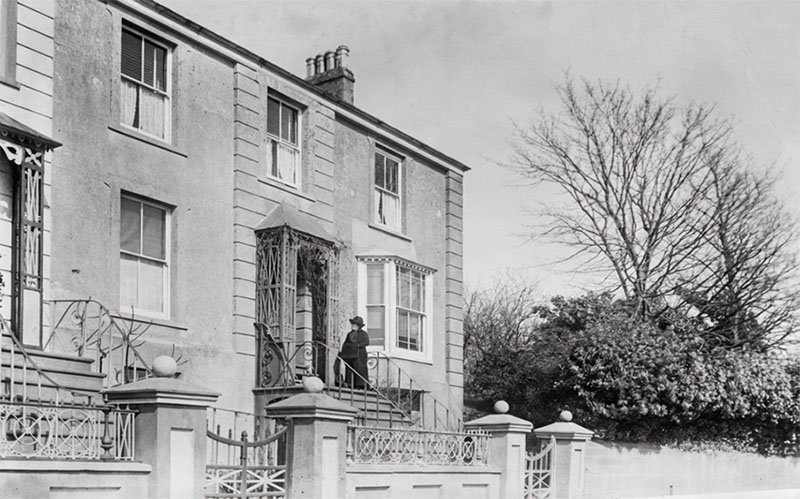
Melville, 1911-
Melville was half of an unusually grand (for Hazelbeach) mid-Victorian semi. Crucially, it was big enough to accommodate the family, with 5 grown sons between the ages of 19 and 30 still living at home. And they could buy it and become freeholders. In Angle, they had no option but to rent.
Hazelbeach also offered much better mooring for their ships. Rather than sitting on the mud for hours every day, they could be moored off the Point and be always afloat.
As Hazelbeach residents will notice, this is mostly Llanstadwell House next door, but Melville had the same steps and fancy ironwork around its first-floor front door until it was turned into flats c. 1970.
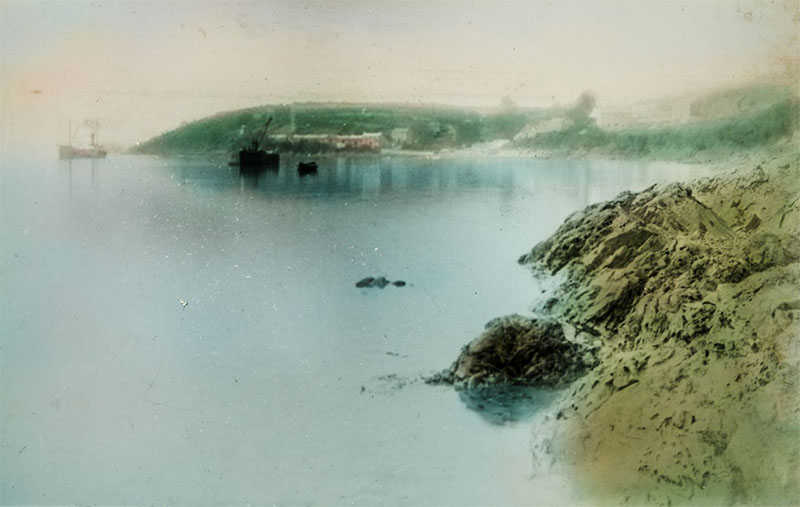
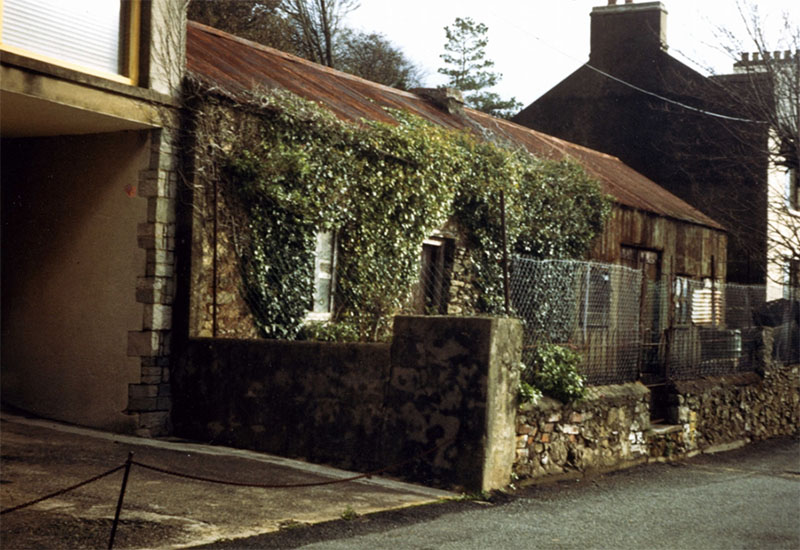
Acquired in 1911, shortly after moving into Melville. This provided the family with a workshop and storage space, somewhere to put the crane and lift loads to and from the beach, and extra vegetable gardens for a big family. Uncle William and his wife Kate lived at Valetta Villa (then House), between the old cottage and Melville.
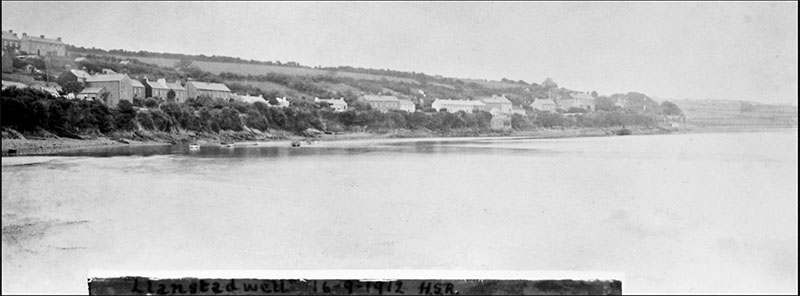
Rouses & descendants would live here for the next century and more.
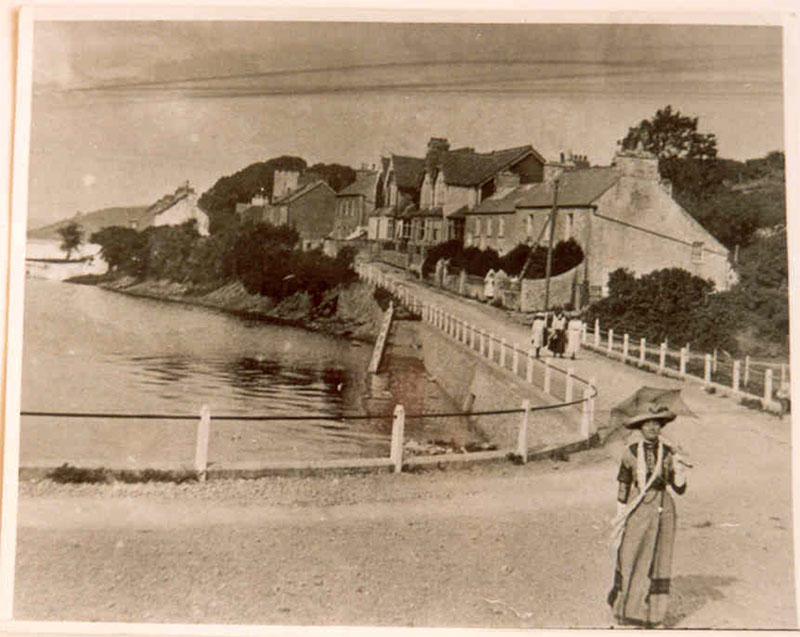
Janet Trye, b. 1885, daughter of an English clergyman, visits her parents, who have just moved from Haverfordwest to Llanstadwell, in the summer of 1911. The Church Lakes bridge is newly completed. She is a teacher in a convent school, has converted to Catholicism, and is thinking of becoming a nun. Fortunately on holiday she meets my grandfather.
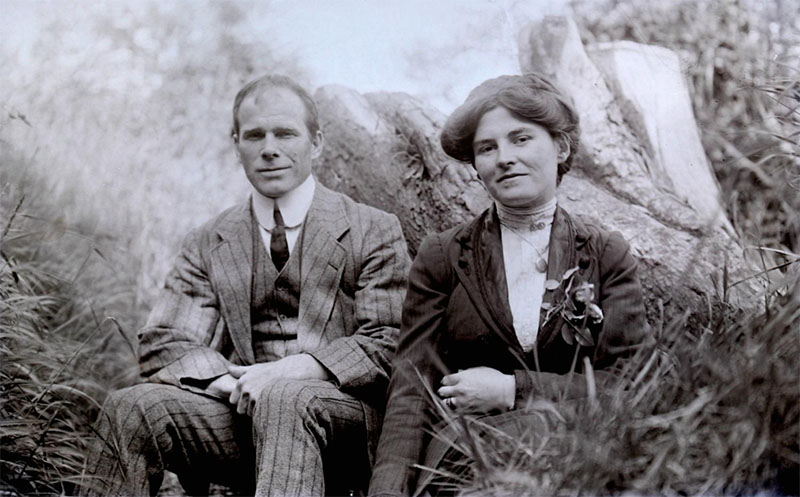
They married in 1913, after a courtship mostly by letter. Grandad rowed them to Pembroke for a registry office wedding.
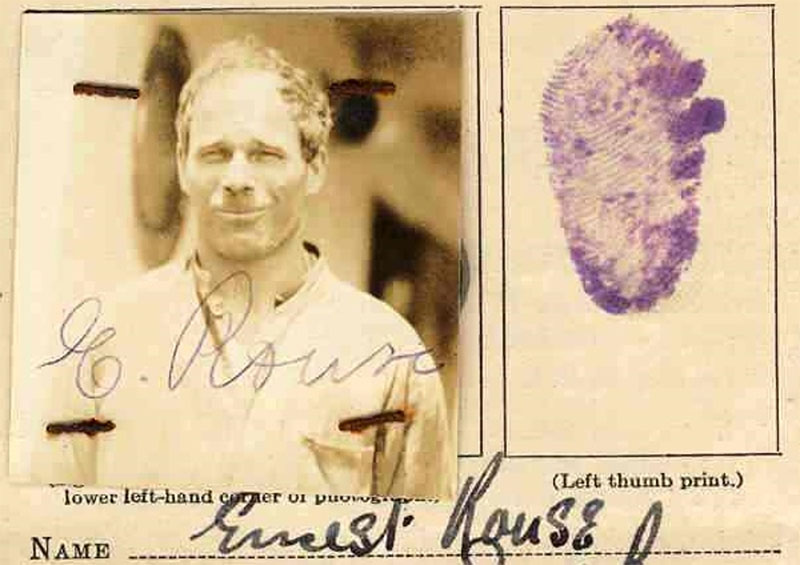
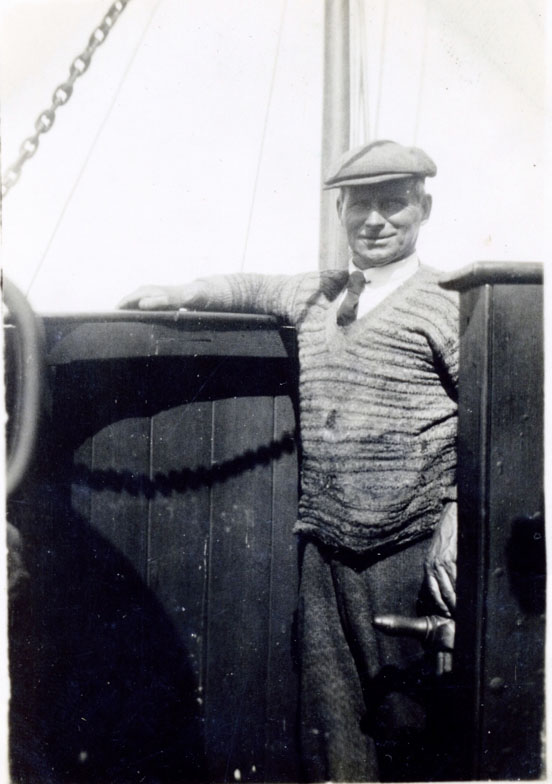
This photograph is from his 1920 ID, when he was working as a merchant seaman on banana boats from Bristol to the US and Caribbean. By that time he had a growing family to support (a wife and 5 children) and the family business was in the doldrums.
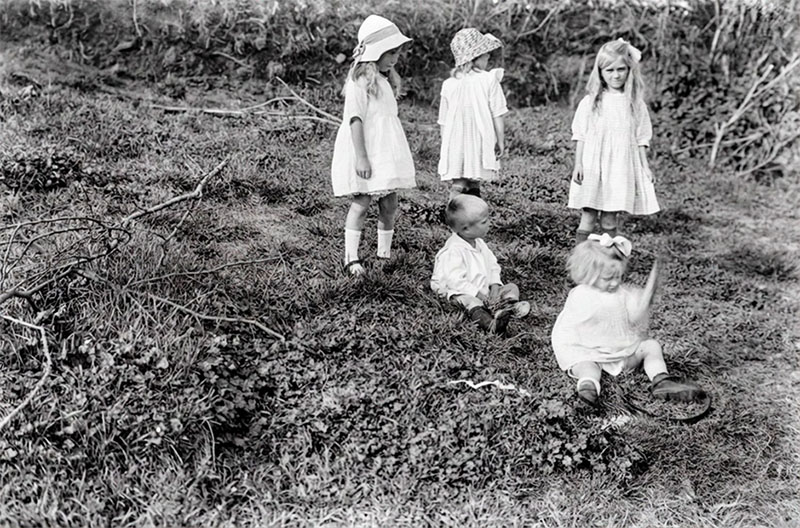
Kay, unknown girl [Jennie Darnley’s aunt??], Rona, Bernard, and Margaret, my mother.
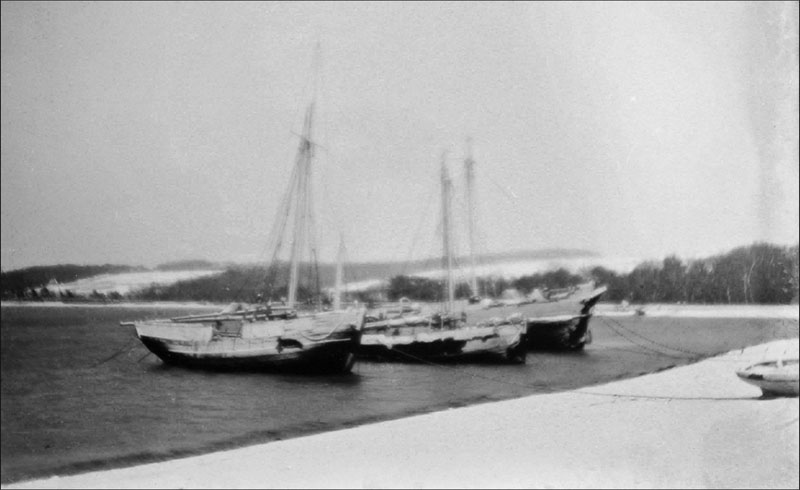
A poor and very early photo, but this is probably Pa Rouse’s tiny fishing and coasting “fleet” on the Ridge at Angle in the early 1900s. He bought four smacks, the Bee, the Mumbles, the Jane, and the Edith & Jane, between 1889 and 1904. The family’s first salvage operations were carried out using these small vessels. They did not buy their own steam-powered ship until 1904, though they did sometimes hire tugs to assist them.
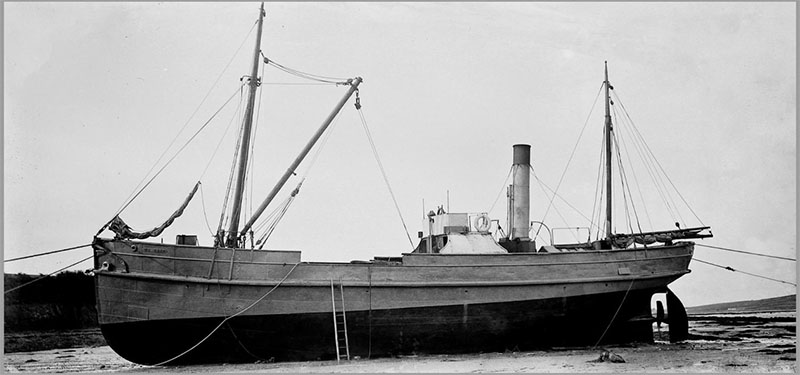
The Dardare, 1904-1911 -- built in Le Havre in 1872, an old iron (not steel) ship, 82.8 x 16.5 x 9.4 feet, with a registered tonnage of 87 gross/59 net, and a 25 h.p. engine, insured for £900 (= £470,000 in 2026). The Rouses operated with cheap, old-but-good ships.
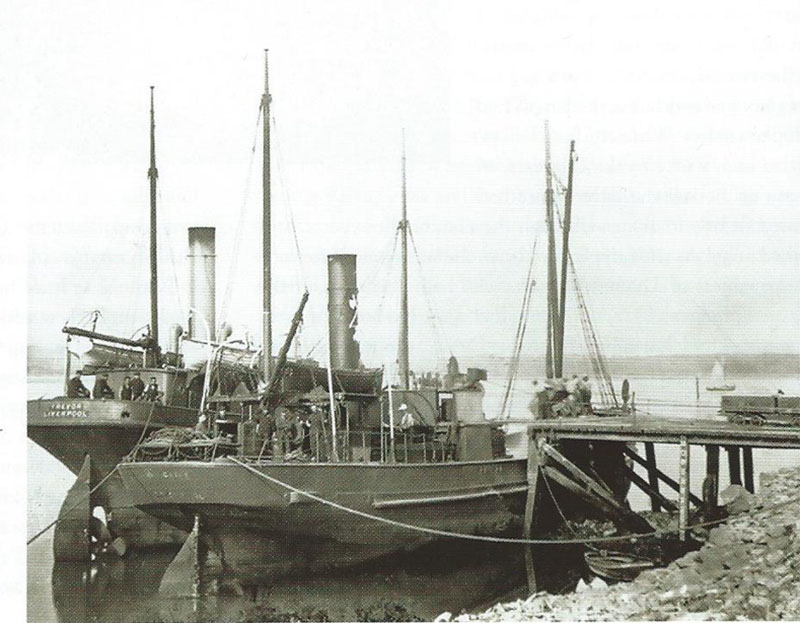
The W.S. Caine, 1911-1919 -- 122.4 x 21.1 x 7.9 ft., 35 h.p., 183 Gross/79 Registered tons. The Caine, another iron ship, was bigger and more powerful than the Dardare, as well as ten years younger. She also cost a lot more -- £1,660 (= £834,000 in 2026).
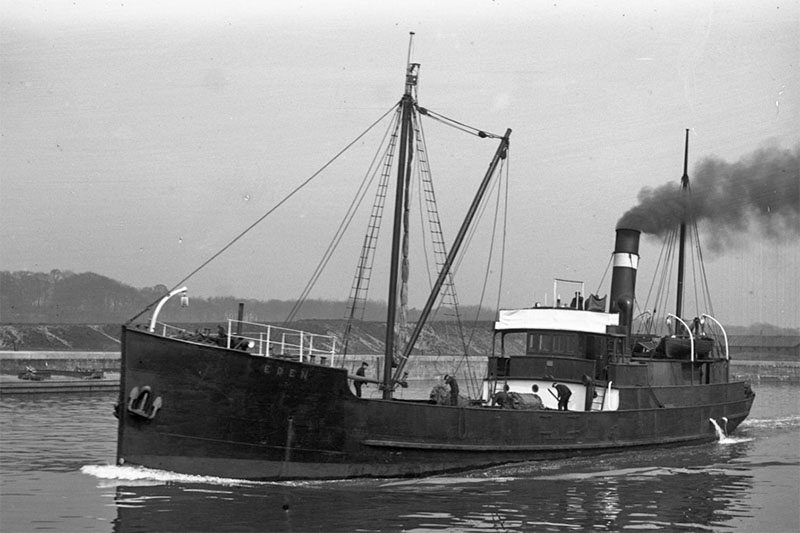
The Eden, 1922 - end. Built 1897, steel, 131 x 22 x 8 feet, 98 registered/260 gross tons, 64 nominal / 400 indicated h.p. -- a good, cheap ship @ £600 (= £155,000 in 2026) that lasted as long as they needed one, described by Ronald Lockley in 1928 as “a splendid old tub, half-tug and half-retired cargo steamer.”
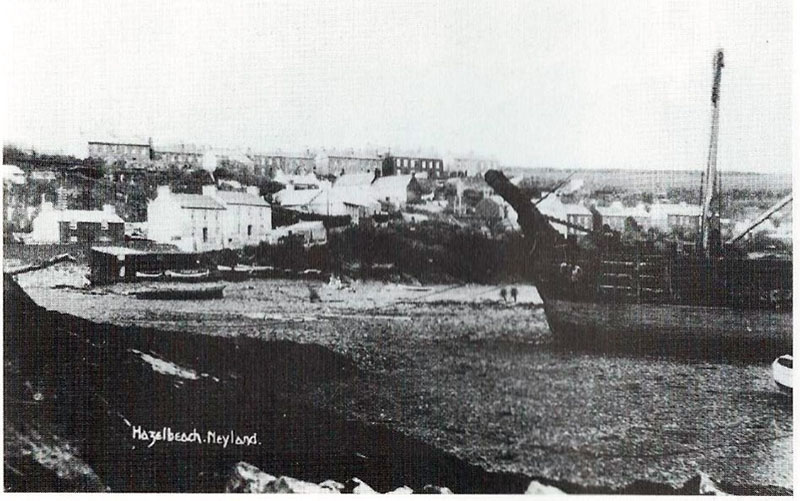
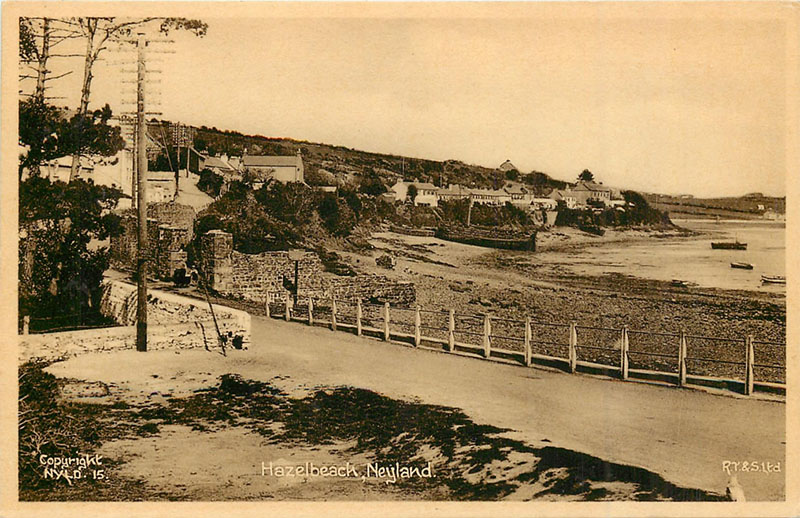
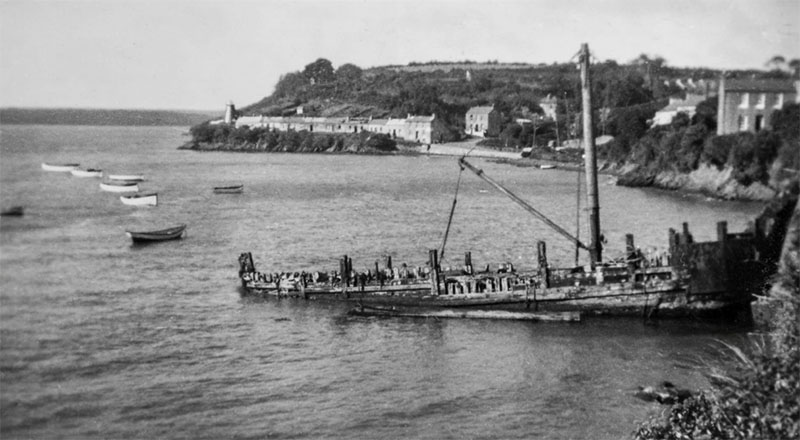
The Lump, 1925 -- an old Admiralty mooring lighter bought for £208 (= £47,500 in 2026) and used on various civil engineering jobs around the harbour before being beached and burnt out below 29 Church Road, where she remained as a sort of breakwater until the 1950s.
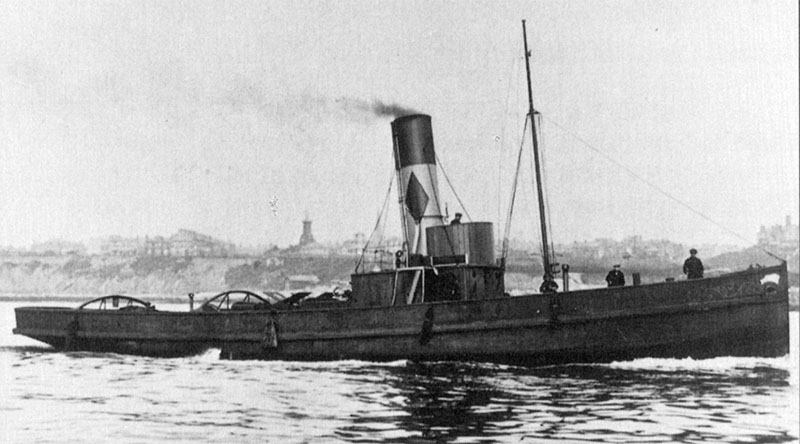
The Taliesin, 1931 - end. The 'Tally' was their first tug. She was another old iron ship, built in 1883, and was 86 x 18 x 8 feet, 78.8 gross / 7.6 registered tons, with a 50 nominal h.p. steam engine and twin screws. Best of all, she only cost the family £250 (= £61,000 in 2026), not much (1/3rd) more than Uncle Allan’s 1927 Peugeot car, and gave them years of reliable service.