By Professor Howell Harris
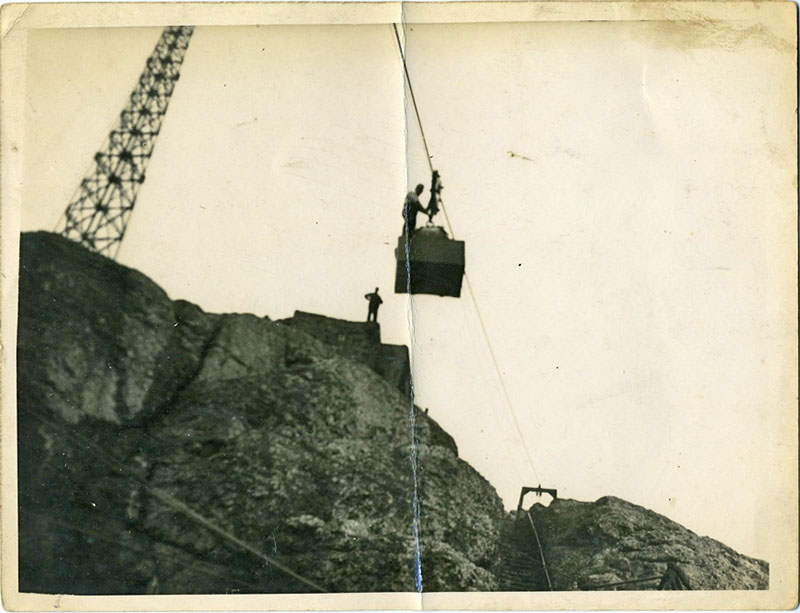
The Rouses adapted to the changing environment by (1) taking on the Trinity House contract to do the monthly relief and resupply trips to Pembrokeshire’s rock lighthouses (South Bishop, The Smalls, and Skokholm); (2) doing civil engineering jobs around the harbour with the Lump, e.g. dismantling the old steamer landing stage at Neyland; and (3) buying their own tug, the Taliesin, so that they could enter the towage business. This picture, from the deck of the Eden, is of them hauling building materials up the cliff to the South Bishop -- a perilous way to earn £2 per ton.
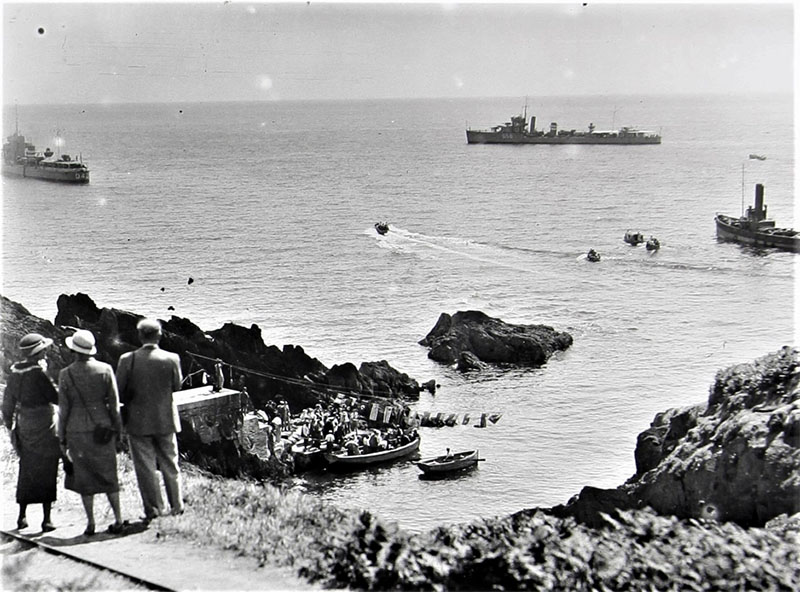
When 150 delegates to the 8th International Ornithological Conference in Oxford went on a weekend excursion to see the Pembrokeshire bird-islands, the Rouses -- who knew Ronald Lockley, living on Skokholm and organizing the trip -- provided the Taliesin and their rowing boats to help ferry the delegates ashore at Skokholm and Skomer. The Tally is on the right of the picture; the Greyboat and the Diving Boat are dropping off visitors at the South Haven jetty. As with the lighthouse contract, the Rouses’ ability to get close to the rocks without too much risk was their great advantage.
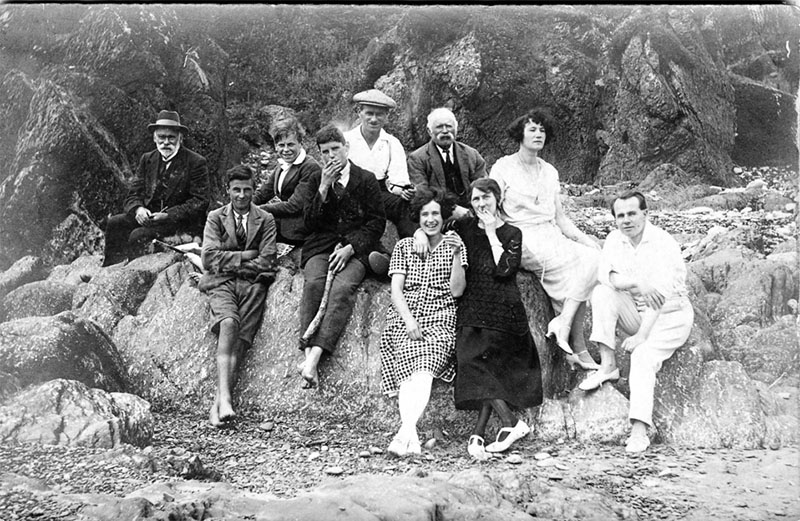
Always keen on outings & picnics. This one’s in 1926, with Great-Grandfather William (left, back row), then Great-Uncle William & Great-Great Uncle Frank. Aunty Kate, smoking as always, in the front row, black dress.
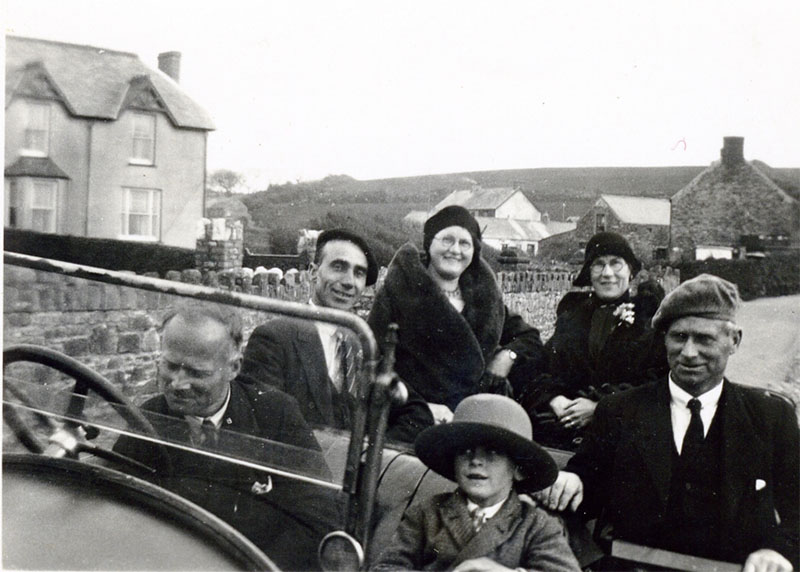
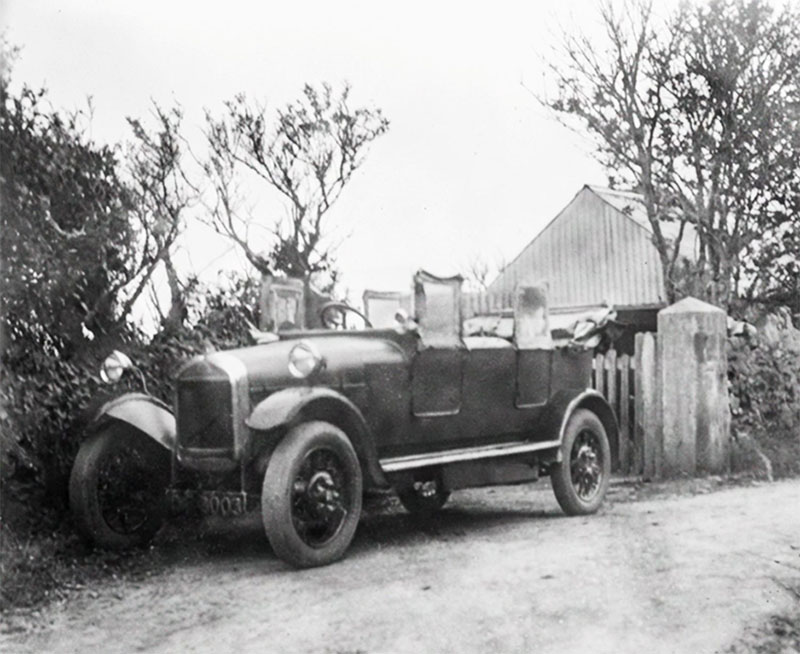
Uncle Allan loved his big, powerful cars, & was always generous about taking people with him.
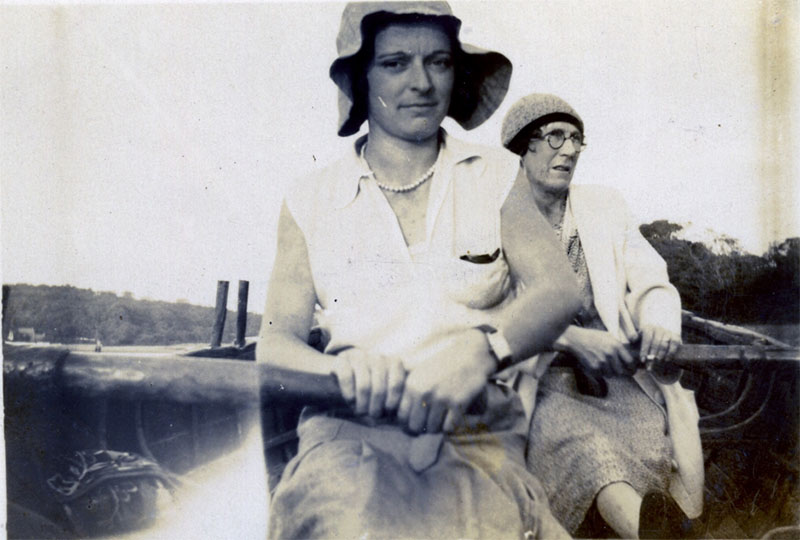
The boats were always used for pleasure, not just work -- Aunty Kate rowing, with thole pins, while smoking
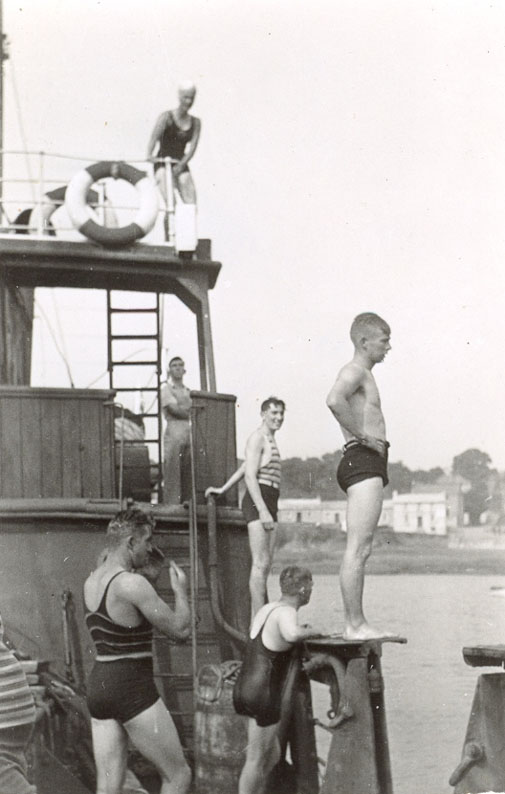
Even the ships were used for leisure too -- not just for taking family and friends out on lighthouse relief and resupply trips, but when moored. The Eden makes a handy diving platform -- Uncle Bernard is about to jump and I think that’s my mother on the top of the bridge.
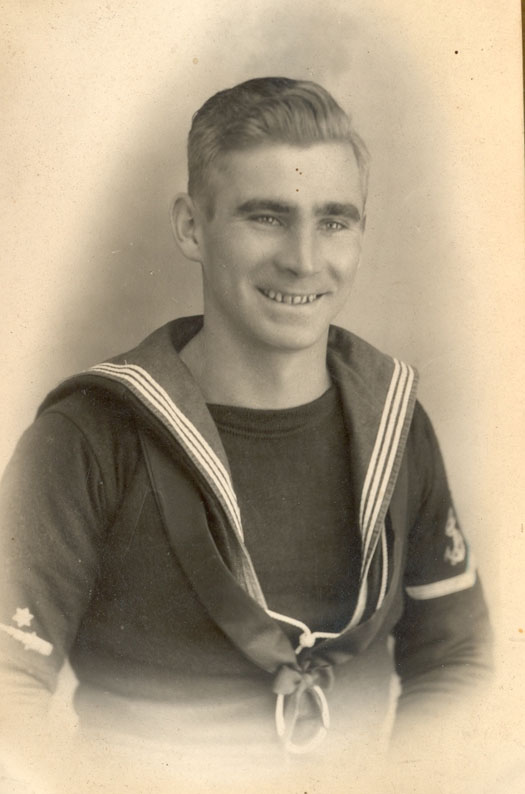
Still going to sea, but not in the family firm: Uncle Bernard joined the Navy straight from school and stayed for 30 years
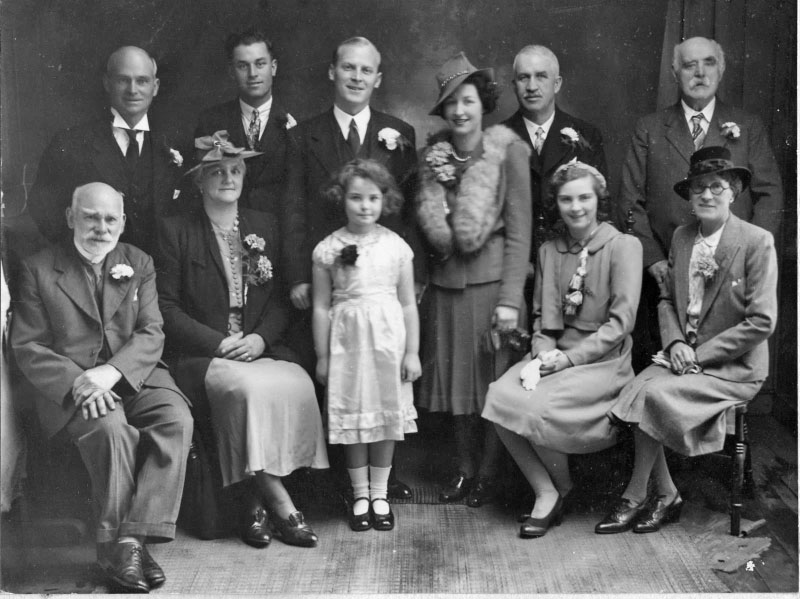
Great-Grandfather William bottom left, front; his son William behind him; William’s son William, known as Cephas, alongside Mary Owens his wife; Aunty Kate bottom right. Old William died in 1942, William and William the Boy (Cephas) within days of one another in 1944. Audrey Bowden was the bridesmaid.